Orange Vanilla Spring Cake
Highlighted under: Spring Greens | New Veggies
Golden, fluffy layers infused with the bright zest of orange and the soothing essence of vanilla fill the air with a sweet, inviting aroma. It reminds me of sunny days when I've needed a touch of spring in my kitchen. Honestly, I first made this when my neighbor dropped off fresh oranges from their tree, and I couldn't resist whipping up something delicious. The kids went nuts for it, asking for seconds and thirds, which is always a good sign. It's a little sweet without going overboard, and I love how the vanilla adds a warm undertone that pairs perfectly with the citrus.
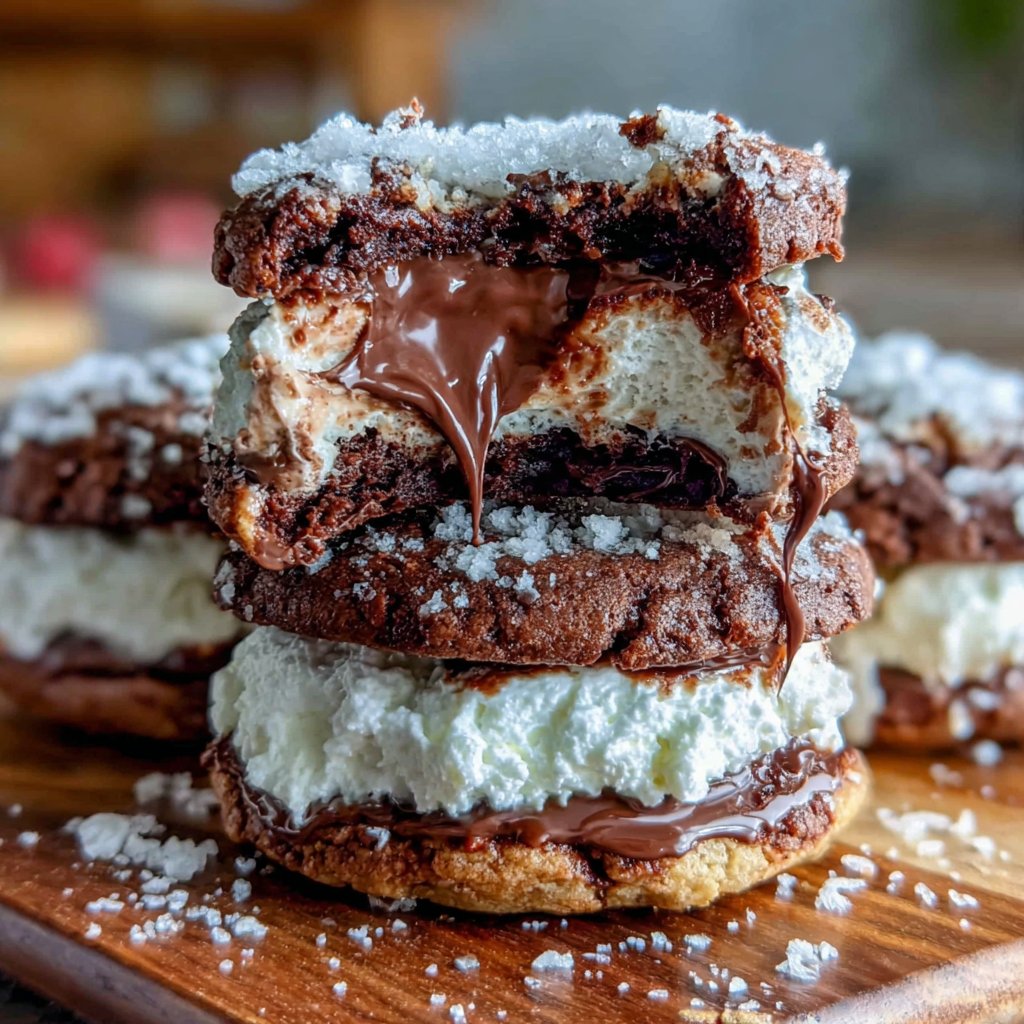
Why This Works So Well
- The orange zest really brightens things up
- You probably already have the ingredients at home
- It’s super light and airy, just like spring
Getting the Texture Right for Orange Vanilla Spring Cake
Getting the right texture for this cake is key. When creaming the butter and sugar, you really want to aim for that light and fluffy consistency. If it starts looking too watery, you've probably not mixed it long enough. Trust me, this is where you lay the foundation for a light cake that’s not dense or heavy.
Also, be careful not to overmix once you combine the wet and dry ingredients. I usually mix until just combined, which usually means a few lumps are okay. Those tiny lumps will bake away, and if you overmix, the cake might get a little chewy, and we don’t want that.
Ingredient Notes
I like using unsalted butter for this cake because you can really control the saltiness. If you only have salted butter on hand, it’s not a disaster; just cut back on the added salt a bit. And I honestly can’t stress the importance of fresh orange zest enough—it brings that bright, fresh flavor that makes this cake stand out.
As for the buttermilk, if you don’t have any, you can make a quick substitute by adding a tablespoon of vinegar or lemon juice to a cup of milk. Let it sit for about five minutes. It’s not exactly the same, but it will do the trick and keep your cake tender.
Ingredients
For the Cake
- 2 cups all-purpose flour
- 1 ½ cups granulated sugar
- 1 cup unsalted butter, softened (like Kerrygold)
- 4 large eggs
- 1 cup buttermilk
- 1 tablespoon orange zest
- 1 teaspoon vanilla extract
- 1 tablespoon baking powder
- ½ teaspoon salt
For the Glaze
- 2 cups powdered sugar
- 3 tablespoons fresh orange juice
- 1 teaspoon vanilla extract
Instructions
Preheat the Oven
Start by preheating your oven to 350°F (175°C). This is crucial because a good oven temperature helps the cake rise beautifully.
Mix Dry Ingredients
In a bowl, mix the flour, baking powder, and salt together. I usually just give it a good whisk to combine—no need for any fancy sifting.
Cream the Butter and Sugar
In a large mixing bowl, cream the softened butter and granulated sugar until it’s light and fluffy. This usually takes about 3 minutes. Don’t rush this step; it’s where the magic starts.
Add Eggs and Vanilla
Next, add the eggs one at a time, mixing well after each. Toss in the vanilla extract too—it's amazing how much warmth that adds.
Combine Mixtures
Gradually add the dry ingredients to the butter mixture, alternating it with the buttermilk. Start with the flour and end with it to avoid splashing too much. Keep mixing until it's just combined. Overmixing can make your cake a bit tough.
Add Zest
Finally, fold in the orange zest gently. This step is all about making sure you get those little orange bits evenly spread in the batter. That way, every slice has a hint of citrus.
Bake
Pour the batter into a greased cake pan and pop it in the oven. Bake for about 30 minutes. You’ll know it’s done when a toothpick inserted in the center comes out clean, so keep an eye on it.
Make the Glaze
While the cake cools, whisk together the powdered sugar, orange juice, and vanilla extract in a bowl until it’s smooth. It should pour nicely but not be too runny.
Glaze the Cake
Once the cake has cooled completely, drizzle the glaze over the top. You can add as much or as little as you like, but I usually don’t hold back.
Pro Tips
- If you don’t have buttermilk, you can make a quick substitute with regular milk and a tablespoon of vinegar.
- Let your cake cool for at least 15 minutes before glazing; it helps the glaze set nicely.
- Try adding some slivered almonds on top for a neat crunch.
Troubleshooting
If your cake turns out a little dry, it might be due to baking it too long or measuring the flour incorrectly. Make sure you're spooning the flour into the measuring cup and leveling it off instead of scooping directly from the bag. If you notice your oven runs hot, you may want to check it with an oven thermometer for accuracy.
On the flip side, if your cake sinks in the middle, it could be due to underbaking or too much liquid. Don’t be afraid to give it a little extra cooking time; every oven behaves differently. Just check with a toothpick to ensure it's fully baked through.
Orange Vanilla Spring Cake Variations Worth Trying
Feel like changing things up? Try adding a bit of lemon zest along with your orange zest for a bright, zesty twist. I tried it once when I had some lemons on hand, and it was a delightful surprise. You can also add a sprinkle of poppy seeds for a bit of crunch and texture—it gives the cake a lovely look too.
If you want to mix in some nuts, walnuts or pecans work well. Just chop them coarsely and fold them into the batter for added flavor and crunch. I’ve had friends who love experimenting with different glazes too; a simple vanilla glaze can be nice if you’re in the mood for something less citrusy.
Questions About Recipes
→ Can I use a different citrus instead of orange?
Sure, lemon or even lime could work. Just adjust the zest and juice to your taste, but keep it in the same range.
→ How should I store leftovers?
Honestly, I usually just cover it with foil and keep it on the counter. It stays fresh for a few days, but if you want it to last longer, you can refrigerate it.
→ Can I make this cake ahead of time?
Definitely! You can bake it a day beforehand and just add the glaze the morning you plan to serve it.
Orange Vanilla Spring Cake
Created by: The Yumandstir Team
Recipe Type: Spring Greens | New Veggies
Skill Level: Easy
Final Quantity: 8 servings
What You'll Need
For the Cake
- 2 cups all-purpose flour
- 1 ½ cups granulated sugar
- 1 cup unsalted butter, softened (like Kerrygold)
- 4 large eggs
- 1 cup buttermilk
- 1 tablespoon orange zest
- 1 teaspoon vanilla extract
- 1 tablespoon baking powder
- ½ teaspoon salt
For the Glaze
- 2 cups powdered sugar
- 3 tablespoons fresh orange juice
- 1 teaspoon vanilla extract
How-To Steps
Start by preheating your oven to 350°F (175°C). This is crucial because a good oven temperature helps the cake rise beautifully.
In a bowl, mix the flour, baking powder, and salt together. I usually just give it a good whisk to combine—no need for any fancy sifting.
In a large mixing bowl, cream the softened butter and granulated sugar until it’s light and fluffy. This usually takes about 3 minutes. Don’t rush this step; it’s where the magic starts.
Next, add the eggs one at a time, mixing well after each. Toss in the vanilla extract too—it's amazing how much warmth that adds.
Gradually add the dry ingredients to the butter mixture, alternating it with the buttermilk. Start with the flour and end with it to avoid splashing too much. Keep mixing until it's just combined. Overmixing can make your cake a bit tough.
Finally, fold in the orange zest gently. This step is all about making sure you get those little orange bits evenly spread in the batter. That way, every slice has a hint of citrus.
Pour the batter into a greased cake pan and pop it in the oven. Bake for about 30 minutes. You’ll know it’s done when a toothpick inserted in the center comes out clean, so keep an eye on it.
While the cake cools, whisk together the powdered sugar, orange juice, and vanilla extract in a bowl until it’s smooth. It should pour nicely but not be too runny.
Once the cake has cooled completely, drizzle the glaze over the top. You can add as much or as little as you like, but I usually don’t hold back.
Extra Tips
- If you don’t have buttermilk, you can make a quick substitute with regular milk and a tablespoon of vinegar.
- Let your cake cool for at least 15 minutes before glazing; it helps the glaze set nicely.
- Try adding some slivered almonds on top for a neat crunch.
Nutritional Breakdown (Per Serving)
- Calories (kcal): 290 kcal
- Total Fat (g): 12.6g
- Saturated Fat (g): 7.5g
- Cholesterol (mg): 78mg
- Sodium (mg): 175mg
- Total Carbohydrates (g): 43.7g
- Dietary Fiber (g): 0.5g
- Sugars (g): 27.3g
- Protein (g): 3.5g