Spring Green Pasta Primavera
Highlighted under: Spring Greens | New Veggies
I absolutely love creating dishes that celebrate the freshness of spring, and this Spring Green Pasta Primavera is no exception. The vibrant colors and flavors of seasonal vegetables come together in this delightful pasta dish that is both simple and satisfying. With just a few ingredients, I can whip up a meal that brings the essence of spring to my table. Whether enjoyed as a light lunch or a colorful dinner, this recipe is always a hit in my house, and I can't wait for you to try it!
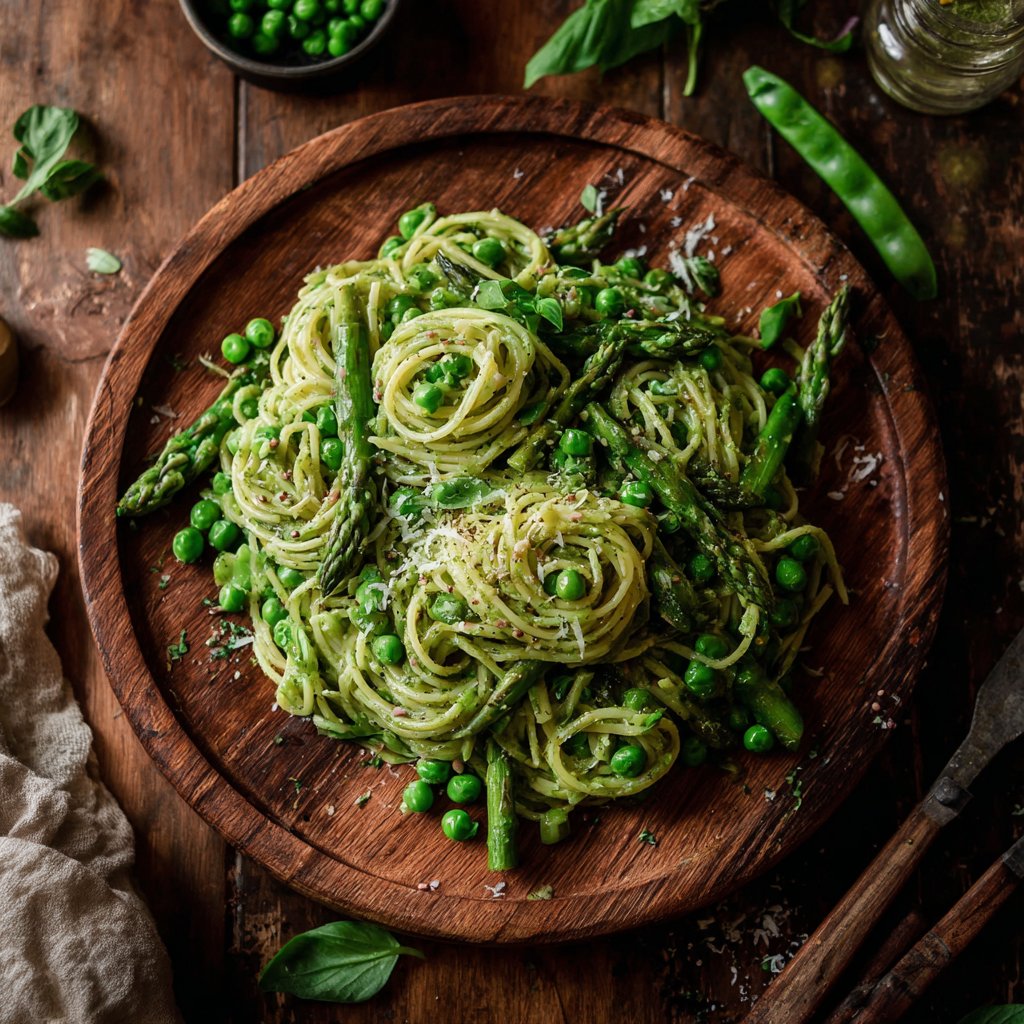
Ever since I first tasted Pasta Primavera during a spring vacation in Italy, I've been enamored by its fresh flavors. I’ve experimented with different vegetables and herbs, focusing on what’s in season to enhance the dish. I discovered that using a mix of zucchini, asparagus, and peas not only brightens the dish but also adds variety in texture and taste.
One tip I’ve learned is to save a bit of the pasta cooking water before draining it. This starchy water helps create a silky sauce when combined with olive oil and cheese, bringing all the flavors together beautifully. It’s such a simple trick that elevates the dish!
Why You'll Love This Recipe
- Loaded with fresh, seasonal vegetables
- Bright and vibrant flavors that celebrate spring
- A quick and easy dish perfect for busy weeknights
Choosing the Right Pasta
The type of pasta you choose can significantly affect the overall experience of your Spring Green Pasta Primavera. I recommend using something with a bit of texture, like whole wheat penne or fusilli, which will hold onto the sauce and the vibrant flavors of the vegetables. Cook the pasta just until al dente to ensure it retains a slight bite, which adds to the dish's overall texture.
If you're looking to make this dish gluten-free, consider using chickpea or lentil pasta, which not only provides a great alternative but also adds an extra protein boost to your meal. Just be mindful of cooking times, as these might differ from traditional wheat pasta.
Vegetable Variations and Tips
While zucchini and asparagus are staples in this primavera recipe, you can easily mix in other seasonal vegetables based on your preferences or availability. Bell peppers, cherry tomatoes, or even spinach can add an extra layer of color and flavor. Just remember to adjust cooking times; for example, cherry tomatoes should be added later in the sauté process to keep their shape and juiciness.
Be mindful of how you chop your vegetables—cut them into evenly sized pieces so they cook evenly. Check for doneness by piercing them with a fork; they should be tender but still vibrant in color, enhancing the freshness of the dish.
Make-Ahead and Storage Tips
If you want to prepare this dish in advance, you can cook the pasta and sauté the vegetables separately, then combine them just before serving. This not only helps maintain the texture of the vegetables but also allows for fresh flavor combinations that don’t become soggy. Store each component in airtight containers in the fridge for up to 3 days, and combine with a splash of olive oil when reheating to loosen things up.
For freezing, I suggest avoiding the peas and garnishes, as they can change texture when thawed. Instead, freeze the pasta and vegetable mix in freezer-safe bags, removing as much air as possible. To reheat, simply thaw overnight in the fridge and then sauté with a little olive oil on the stovetop until heated through, adding fresh basil and cheese just before serving.
Ingredients
Ingredients
For the Pasta Primavera
- 12 ounces pasta (your choice)
- 2 tablespoons olive oil
- 1 zucchini, sliced
- 1 cup asparagus, chopped
- 1 cup peas (fresh or frozen)
- 2 cloves garlic, minced
- Salt and pepper to taste
- 1/2 cup grated Parmesan cheese
- 1 tablespoon lemon juice
- Fresh basil leaves for garnish
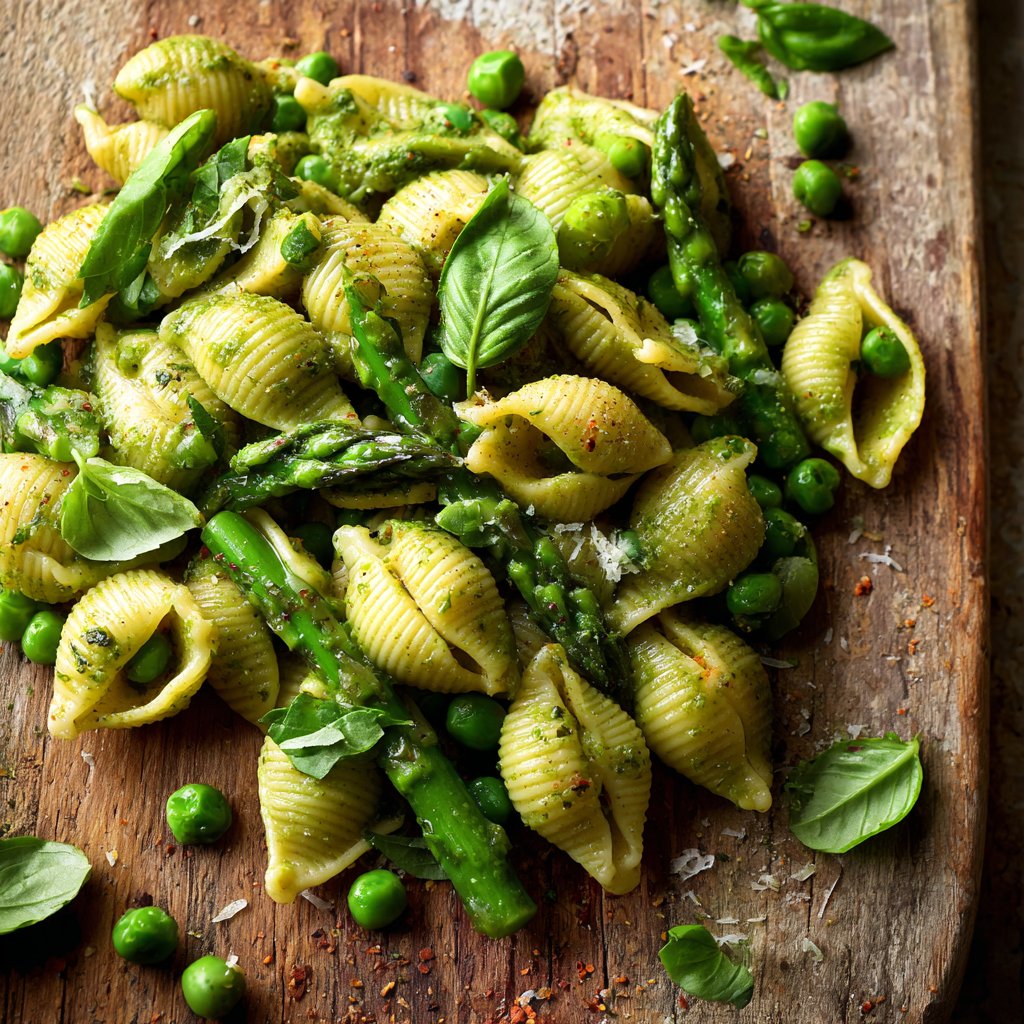
Instructions
Instructions
Cook the Pasta
In a large pot, bring salted water to a boil. Add the pasta and cook according to package instructions until al dente. Reserve a cup of pasta water, then drain and set aside.
Sauté the Vegetables
In a large skillet, heat the olive oil over medium heat. Add the minced garlic and sauté for 30 seconds. Add the zucchini and asparagus, cooking for about 3-4 minutes until tender.
Combine and Serve
Stir in the peas, cooked pasta, and a splash of reserved pasta water. Season with salt, pepper, and lemon juice. Toss everything together until well mixed. Remove from heat and garnish with Parmesan and basil before serving.
Pro Tips
- Feel free to use any seasonal vegetables you have on hand, such as bell peppers or cherry tomatoes. Adjust the garlic and lemon to suit your taste for an extra punch of flavor!
Techniques for Perfect Sautéing
Sautéing is a key technique in this dish, and getting it right ensures your vegetables maintain their color and crunch. Start with a hot skillet and the right amount of oil; too little oil may cause sticking, while too much can make the dish greasy. Medium heat is usually sufficient; if you notice the garlic browning too quickly, lower the heat to avoid bitterness.
When adding vegetables, do so in stages based on their cooking times. Start with the garlic, then add the zucchini and asparagus, and finish with the peas. This method allows each ingredient to reach its ideal texture, so everything complements each other perfectly in the finished dish.
Flavor Enhancers and Pairs
To elevate the flavors in your Spring Green Pasta Primavera, consider adding a pinch of red pepper flakes for a subtle kick or a drizzle of balsamic reduction for sweetness. Both options play nicely with the fresh, bright vegetables and add depth to the dish without overwhelming the main ingredients.
For a complete meal, serve this pasta with a crisp green salad or some garlic bread. You could also pair it with a light white wine, such as Sauvignon Blanc, which complements the lemon and earthy flavors in the dish beautifully.
Scaling the Recipe
This recipe is easy to scale depending on your needs. If you're cooking for a crowd, simply double the ingredients and use a larger pot for boiling the pasta. Keep the proportions of vegetables and cheese the same for a balanced flavor. When doing so, consider that your cook times may be slightly extended, particularly for the sautéing step.
If you want to make a smaller portion, just divide each ingredient by two. Since pasta cooking times remain the same regardless of the quantity, you can prepare smaller batches without worry, ensuring that you enjoy the same delicious results no matter how many you're serving.
Questions About Recipes
→ Can I make this dish vegan?
Yes! You can substitute the Parmesan cheese with a vegan cheese alternative or nutritional yeast.
→ What type of pasta works best?
You can use any type of pasta, but I recommend whole wheat or gluten-free for a healthier option.
→ Can I prepare this in advance?
Yes, you can prepare the vegetables and cook the pasta ahead of time. Just combine them right before serving to keep everything fresh.
→ What can I serve with pasta primavera?
It pairs well with a light salad or some grilled chicken if you want to add protein.
Spring Green Pasta Primavera
Created by: The Yumandstir Team
Recipe Type: Spring Greens | New Veggies
Skill Level: Easy
Final Quantity: 4 servings
What You'll Need
For the Pasta Primavera
- 12 ounces pasta (your choice)
- 2 tablespoons olive oil
- 1 zucchini, sliced
- 1 cup asparagus, chopped
- 1 cup peas (fresh or frozen)
- 2 cloves garlic, minced
- Salt and pepper to taste
- 1/2 cup grated Parmesan cheese
- 1 tablespoon lemon juice
- Fresh basil leaves for garnish
How-To Steps
In a large pot, bring salted water to a boil. Add the pasta and cook according to package instructions until al dente. Reserve a cup of pasta water, then drain and set aside.
In a large skillet, heat the olive oil over medium heat. Add the minced garlic and sauté for 30 seconds. Add the zucchini and asparagus, cooking for about 3-4 minutes until tender.
Stir in the peas, cooked pasta, and a splash of reserved pasta water. Season with salt, pepper, and lemon juice. Toss everything together until well mixed. Remove from heat and garnish with Parmesan and basil before serving.
Extra Tips
- Feel free to use any seasonal vegetables you have on hand, such as bell peppers or cherry tomatoes. Adjust the garlic and lemon to suit your taste for an extra punch of flavor!
Nutritional Breakdown (Per Serving)
- Calories: 350 kcal
- Total Fat: 10g
- Saturated Fat: 2g
- Cholesterol: 5mg
- Sodium: 120mg
- Total Carbohydrates: 52g
- Dietary Fiber: 5g
- Sugars: 4g
- Protein: 12g