Festive Herb Roast Turkey
Highlighted under: Spring Greens | New Veggies
I love preparing a Festive Herb Roast Turkey during the holiday season. The aroma of fresh herbs and spices wafting through my kitchen instantly creates a joyful atmosphere. This recipe has become a family tradition, and we gather around the table to enjoy a succulent, perfectly seasoned roast turkey. The combination of herbs not only elevates the turkey’s flavor but also keeps it incredibly moist. I promise this dish will impress your guests and make your celebration unforgettable!
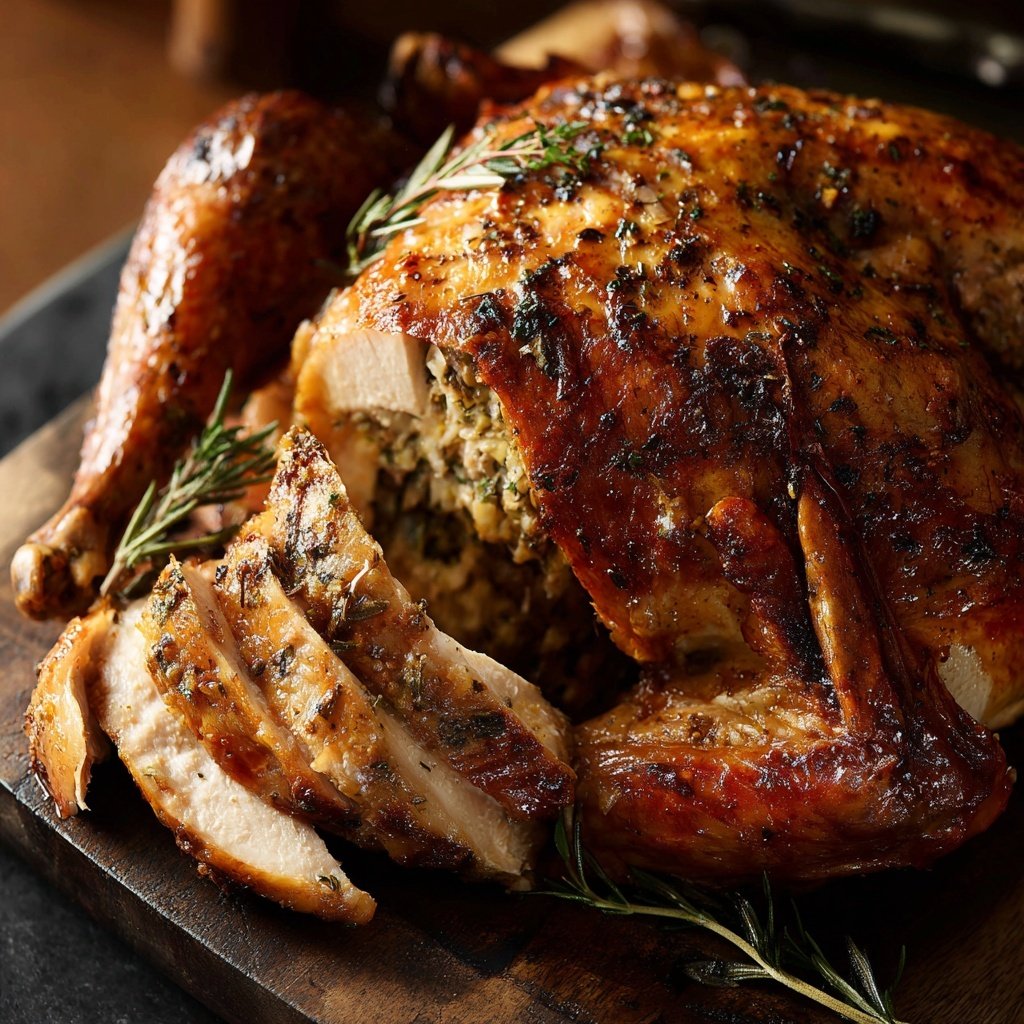
Preparing this Festive Herb Roast Turkey is an experience I look forward to every year. The rituals involved, from herb chopping to the slow roasting process, make it feel special. I discovered that brining the turkey overnight makes a huge difference in the final flavor and juiciness. The blend of rosemary, thyme, and sage truly elevates this dish.
After many attempts, I learned that letting the turkey rest before carving is vital. This allows the juices to redistribute, ensuring each slice is packed with flavor and moisture. It may seem like a small detail, but it's essential for achieving that perfect turkey!
Why You'll Love This Recipe
- Aromatic blend of fresh herbs that invigorate your senses
- Juicy and tender turkey that melts in your mouth
- Perfect centerpiece for your festive gatherings
Understanding the Ingredients
Choosing the right herbs is essential for the flavor profile of your Festive Herb Roast Turkey. Fresh herbs like rosemary, thyme, and sage bring a wonderful aromatic quality that elevates the dish. If you don't have fresh herbs on hand, dried versions work well too; just remember that dried herbs are more concentrated, so use about 1/3 of the amount called for in the recipe. This balance ensures that the flavor remains robust without overpowering the turkey.
Butter and olive oil not only keep the turkey moist but also create a beautiful golden skin during roasting. The combination of both fats offers a rich mouthfeel; the butter adds a creamy depth, while the olive oil ensures that the skin crisps up nicely. If you prefer a lighter version, swapping half of the butter for chicken broth can reduce the fat content while still allowing the turkey to retain moisture.
Roasting Techniques
When roasting the turkey, temperature and moisture are key. Cooking at 325°F (165°C) ensures that the turkey cooks evenly and retains its juices. Basting every 30 minutes with pan juices helps maintain moisture and encourage a deep, rich flavor in the skin. If you notice that the skin is browning too quickly, tent the turkey loosely with aluminum foil—this prevents burning while allowing the meat to finish cooking through.
The internal temperature is the most reliable indicator of doneness. Use a meat thermometer inserted into the thickest part of the thigh (without touching the bone) to get an accurate reading. Once the turkey reaches 165°F (74°C), it’s perfect for serving. Undercooking can lead to undesired texture, while overcooking can dry out the meat; thus, keeping an eye on the temperature is crucial.
Serving and Storage Suggestions
After resting, carve the turkey by starting at the breast, slicing thinly and evenly across the grain. This helps maintain tenderness and makes for beautiful presentation. Reserve the carcass and any leftover meat for future use; you can easily transform them into soups or sandwiches. For serving, pair this turkey with traditional sides, like cranberry sauce and roasted vegetables, to create a well-rounded meal.
If you find yourself with leftovers, store any uneaten turkey in an airtight container for up to four days in the refrigerator. If you prefer to save it for longer, vacuum-seal portions or wrap tightly in plastic wrap and foil, transporting it to the freezer. Reheating should be done gently to retain moisture—oven reheating at a low temperature (around 300°F or 150°C) is ideal for keeping the meat juicy.
Ingredients
Gather these ingredients to create a memorable festive feast.
For the Turkey
- 1 (12 lb) whole turkey, thawed
- 4 tablespoons unsalted butter, softened
- 2 tablespoons olive oil
- 1 tablespoon salt
- 1 tablespoon black pepper
- 1 tablespoon garlic powder
- 1 tablespoon onion powder
- 2 teaspoons dried rosemary
- 2 teaspoons dried thyme
- 2 teaspoons dried sage
- 1 lemon, quartered
- 1 onion, quartered
Make sure to prepare these with love for the best results!
Instructions
Follow these steps for a beautifully roasted turkey.
Prepare the Turkey
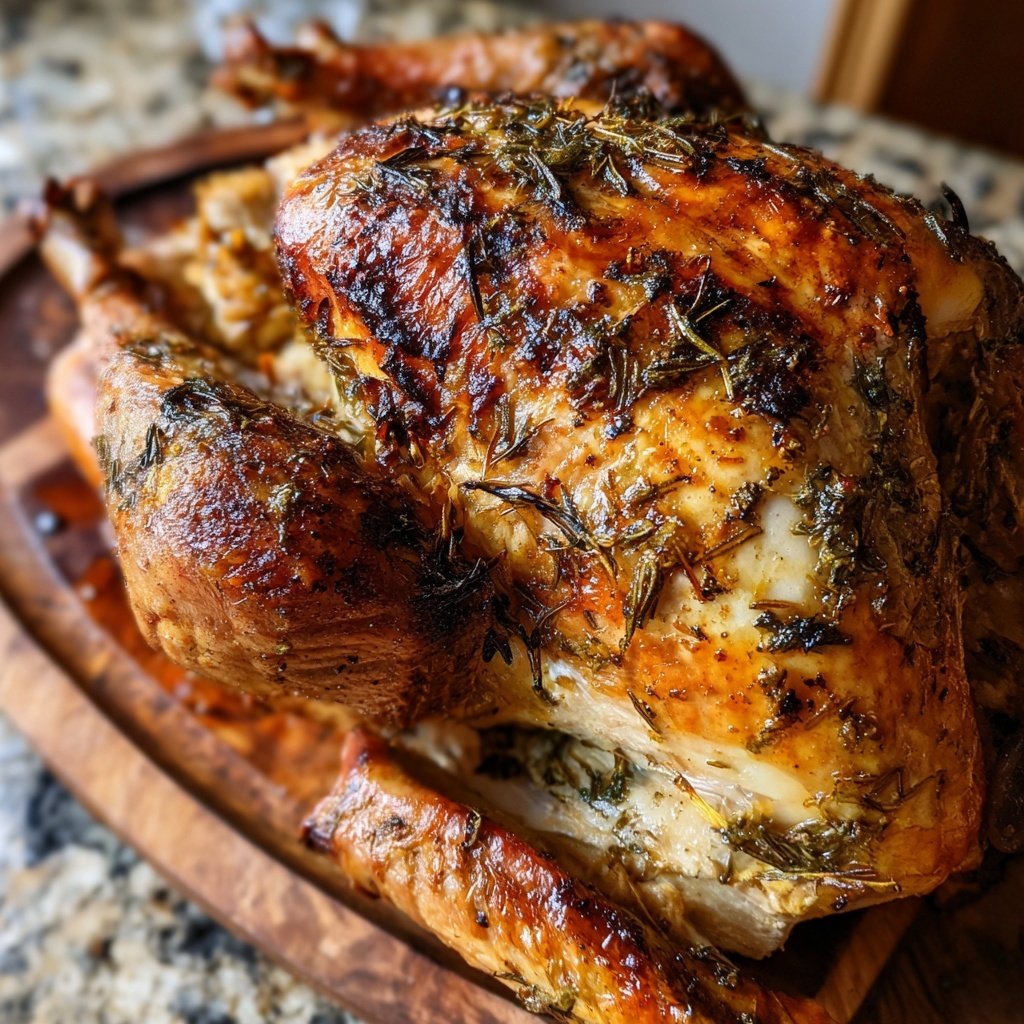
Preheat the oven to 325°F (165°C). Rinse the turkey under cold water and pat it dry with paper towels. In a small bowl, mix together the softened butter, olive oil, salt, pepper, garlic powder, onion powder, rosemary, thyme, and sage. Rub this mixture all over the turkey, making sure to get under the skin for maximum flavor.
Stuff the Turkey
Stuff the cavity of the turkey with the lemon and onion quarters. This will keep the meat moist and add extra flavor as it cooks.
Roast the Turkey
Place the turkey on a roasting rack in a large roasting pan. Roast in the preheated oven for about 2 to 2.5 hours, until the internal temperature reaches 165°F (74°C). Baste the turkey with the pan juices every 30 minutes for even cooking and flavor.
Rest and Carve the Turkey
Once cooked, remove the turkey from the oven and let it rest for at least 20 minutes before carving. This resting period allows juices to redistribute throughout the meat, ensuring each slice is juicy and flavorful.
Enjoy your feast with family and friends!
Pro Tips
- For an extra crispy skin, increase the oven temperature to 375°F (190°C) in the last 30 minutes of roasting. Additionally, consider using fresh herbs if available for even more flavor.
Troubleshooting Common Issues
One challenge when roasting turkey is unpredictable cooking times due to variations in oven efficiency and turkey size. Always check the internal temperature well before the expected cooking time, especially with larger birds. If your turkey is cooking unevenly, consider rotating the pan halfway through to ensure consistent heat exposure, which can help achieve that perfect roast.
If you encounter dry turkey, it could be due to overcooking or not enough fat content. To remedy dry portions, drizzle with homemade gravy or a combination of chicken broth and melted butter before serving. This not only adds moisture but enhances flavor, turning any potential disappointment into a comforting experience.
Variations and Enhancements
While the classic herb blend is delightful, don’t hesitate to experiment with flavors. Adding citrus zest to the herb mix or incorporating spices like paprika or cayenne can provide an exciting twist. If your guests enjoy heat, consider brushing the turkey with a spicy glaze during the last 30 minutes of cooking. This creates a crust that's both flavorful and visually appealing.
For a festive touch, consider stuffing the turkey with a variety of herbs and vegetables, such as sliced fennel or celery. Not only does this add flavor to the bird, but it also accommodates different taste preferences and creates a great base for a delicious gravy.
Questions About Recipes
→ Can I use a frozen turkey?
Yes, just ensure it's completely thawed before seasoning and roasting.
→ How do I know when the turkey is done?
Use a meat thermometer; the internal temperature should reach 165°F (74°C).
→ Can I prepare the turkey a day ahead?
Absolutely! You can season it a day in advance and let it marinate in the refrigerator.
→ What's the best way to store leftovers?
Store leftovers in an airtight container in the fridge for up to 4 days.
Festive Herb Roast Turkey
Created by: The Yumandstir Team
Recipe Type: Spring Greens | New Veggies
Skill Level: Intermediate
Final Quantity: 12 servings
What You'll Need
For the Turkey
- 1 (12 lb) whole turkey, thawed
- 4 tablespoons unsalted butter, softened
- 2 tablespoons olive oil
- 1 tablespoon salt
- 1 tablespoon black pepper
- 1 tablespoon garlic powder
- 1 tablespoon onion powder
- 2 teaspoons dried rosemary
- 2 teaspoons dried thyme
- 2 teaspoons dried sage
- 1 lemon, quartered
- 1 onion, quartered
How-To Steps
Preheat the oven to 325°F (165°C). Rinse the turkey under cold water and pat it dry with paper towels. In a small bowl, mix together the softened butter, olive oil, salt, pepper, garlic powder, onion powder, rosemary, thyme, and sage. Rub this mixture all over the turkey, making sure to get under the skin for maximum flavor.
Stuff the cavity of the turkey with the lemon and onion quarters. This will keep the meat moist and add extra flavor as it cooks.
Place the turkey on a roasting rack in a large roasting pan. Roast in the preheated oven for about 2 to 2.5 hours, until the internal temperature reaches 165°F (74°C). Baste the turkey with the pan juices every 30 minutes for even cooking and flavor.
Once cooked, remove the turkey from the oven and let it rest for at least 20 minutes before carving. This resting period allows juices to redistribute throughout the meat, ensuring each slice is juicy and flavorful.
Extra Tips
- For an extra crispy skin, increase the oven temperature to 375°F (190°C) in the last 30 minutes of roasting. Additionally, consider using fresh herbs if available for even more flavor.
Nutritional Breakdown (Per Serving)
- Calories: 350 kcal
- Total Fat: 24g
- Saturated Fat: 10g
- Cholesterol: 95mg
- Sodium: 590mg
- Total Carbohydrates: 0g
- Dietary Fiber: 0g
- Sugars: 0g
- Protein: 26g